About Karabakh
A single flower became the symbol of a whole region — the kharybulbul.
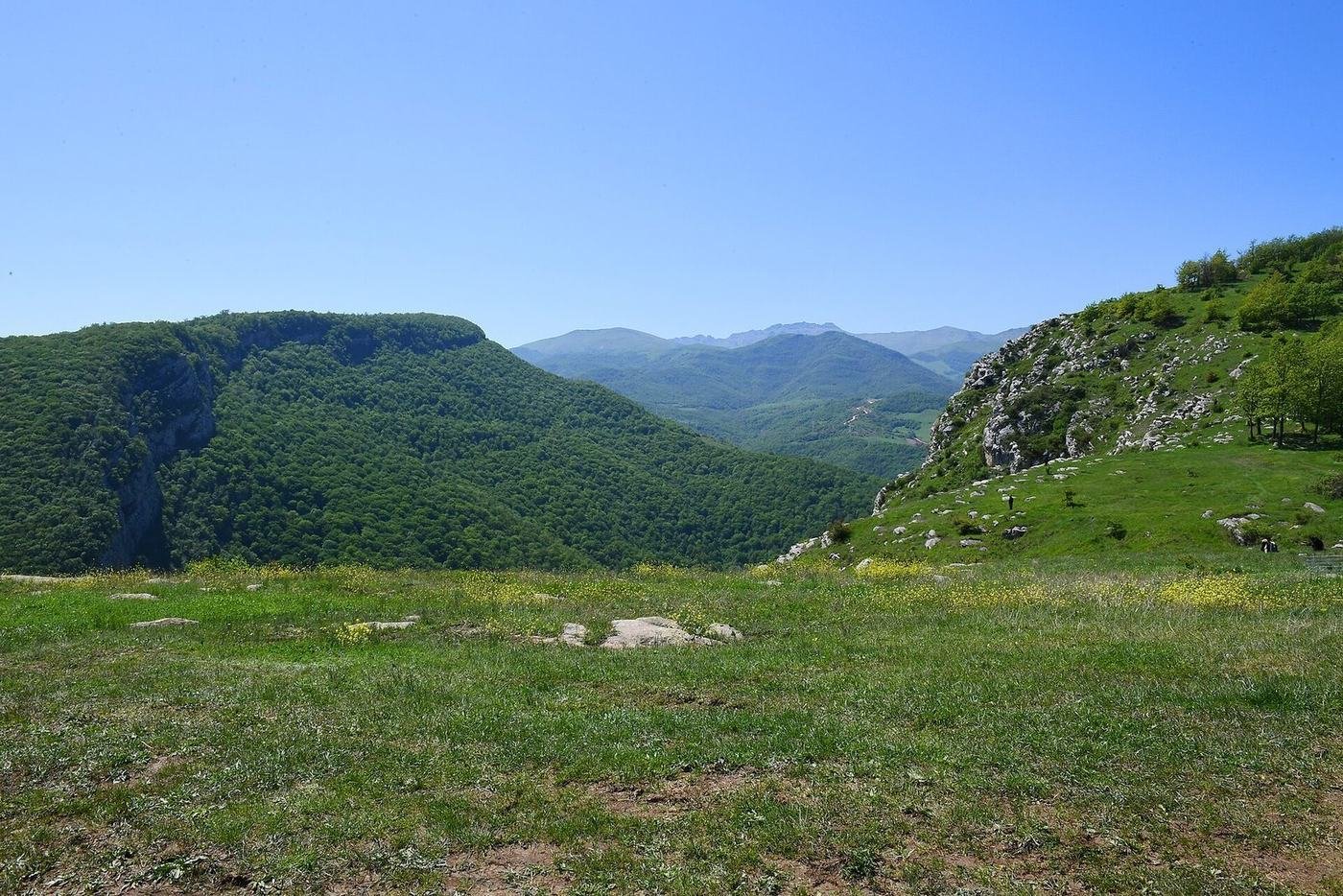
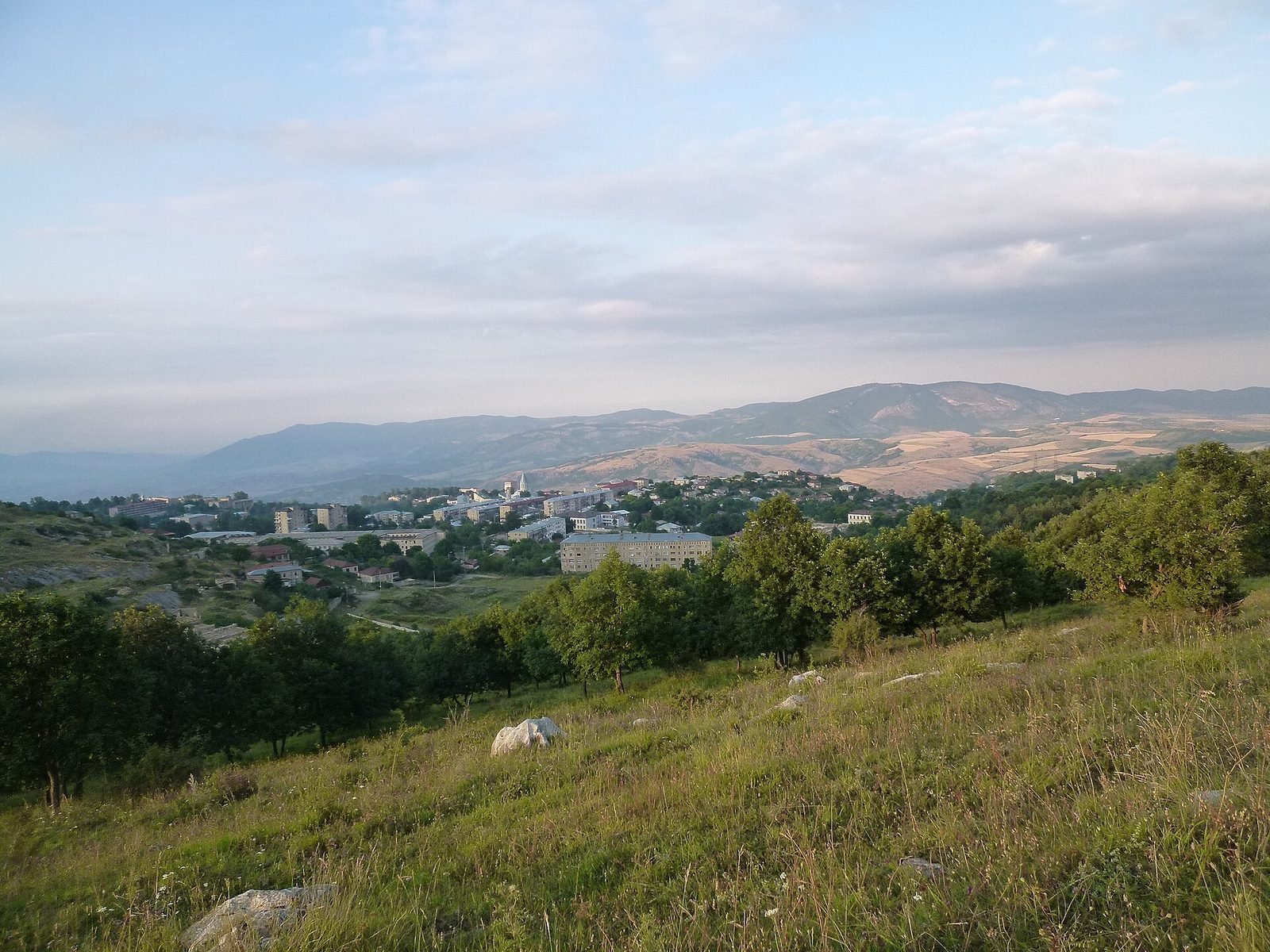
Karabakh is a historic mountain-and-plain region in western Azerbaijan. Its name means “black garden”: fertile valleys, dense forests and the high ridges of the Lesser Caucasus form a land of rare beauty.
Here, in Shusha, an entire culture was born — mugham, poetry and music that made Karabakh famous far beyond its borders. It was one of the cultural capitals of the whole Caucasus.
Decades of conflict left a deep mark on this land. But after 2020 Karabakh returned — and its rebuilding, the return of its people and a new chapter of history began.
In brief
A region in a few numbers
 Mountains and forests
Land
A black garden in the mountains
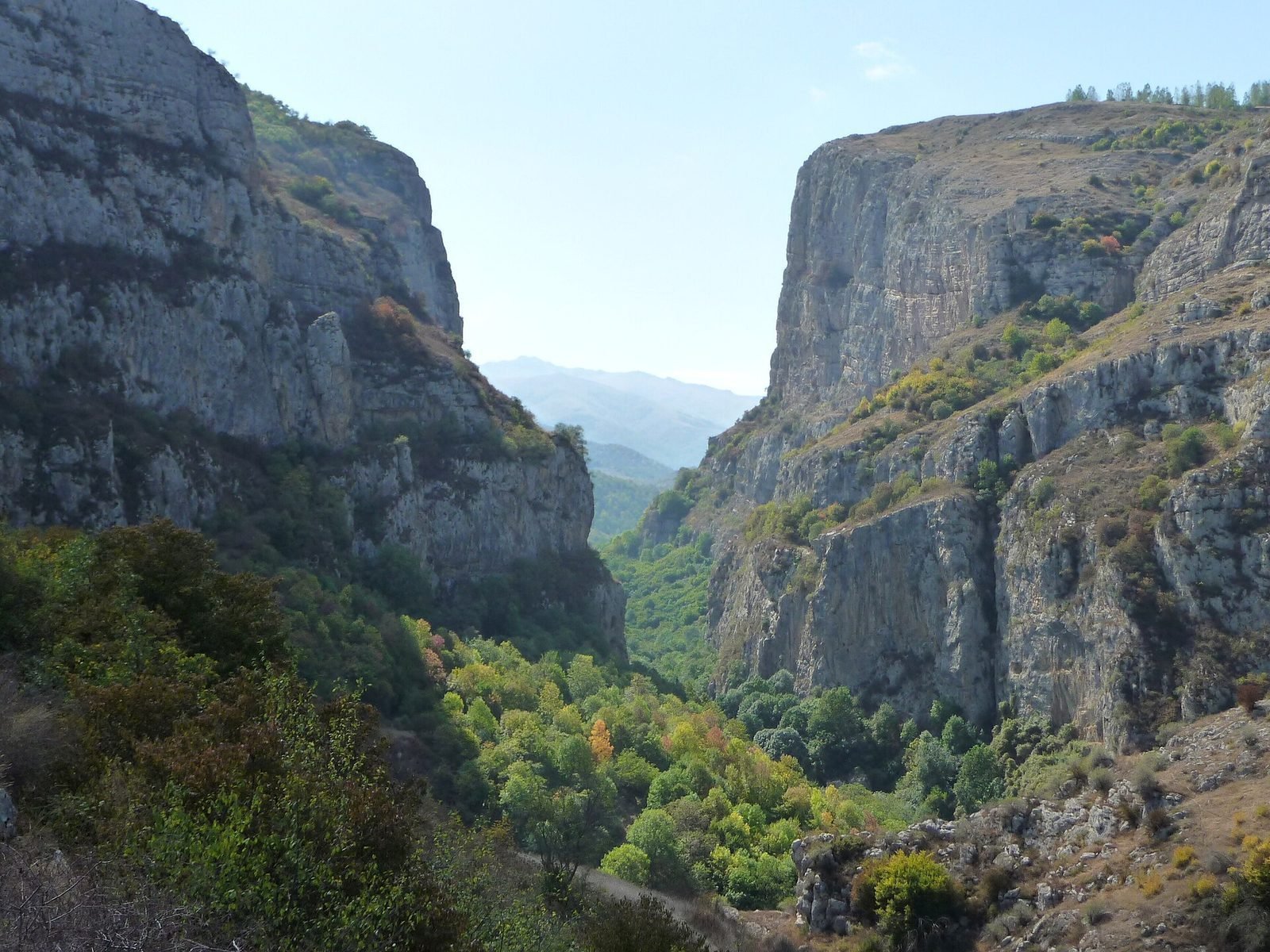
Karabakh rises from the Kura plains to the wooded ridges of the Lesser Caucasus. Rivers cut canyons, the slopes are covered with oak and hornbeam, and the high meadows bloom in spring with endemics — including the kharybulbul.
The Jidir Plain above Shusha, the Hunot gorge, the mineral springs — the nature of Karabakh has inspired poets and musicians for centuries.
History
A khanate, poets and mugham
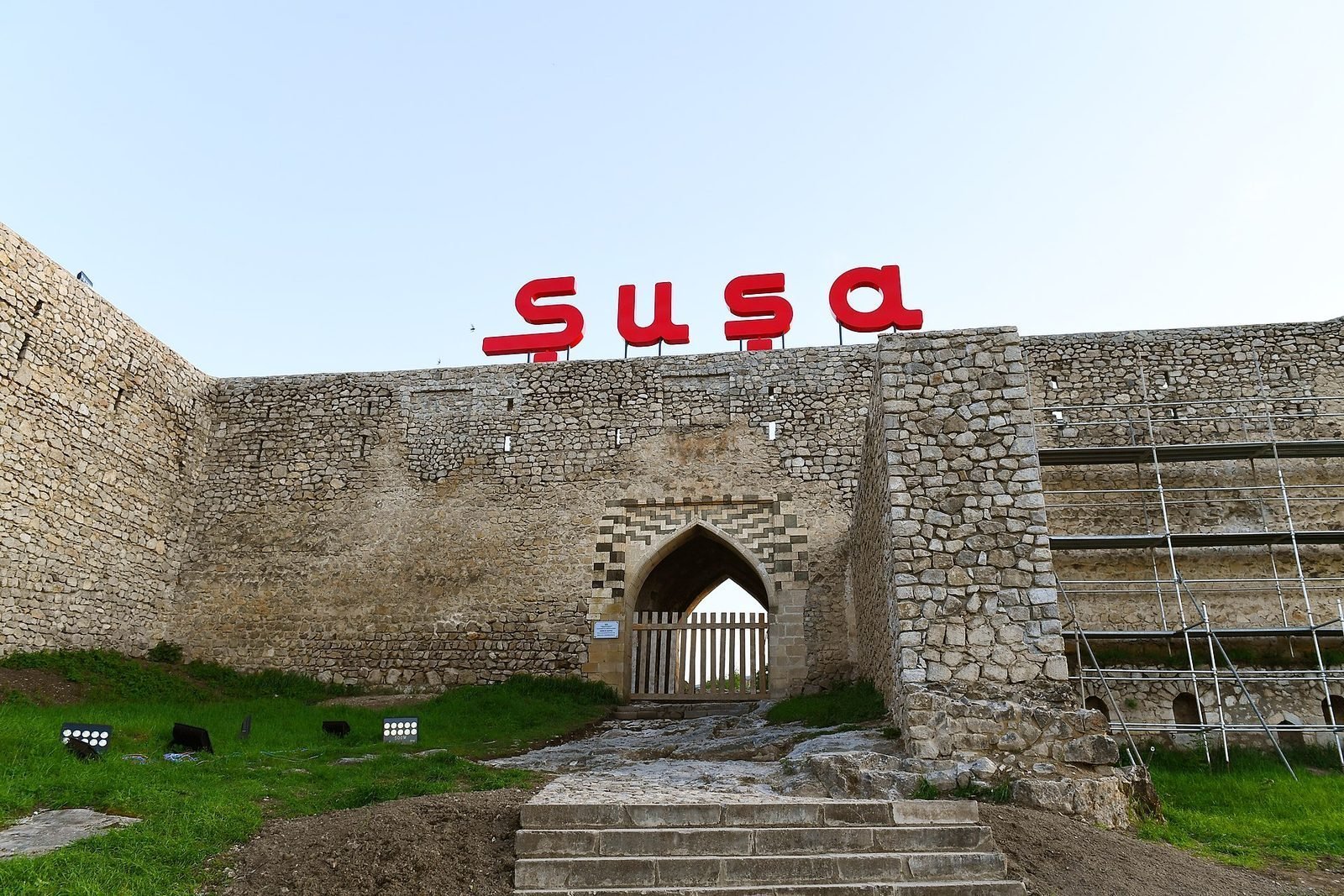
In 1752 Panah Ali Khan founded the fortress of Shusha — the capital of the Karabakh Khanate. Within decades the city became a cultural centre: the poet Vagif and the poetess Natavan lived here, mugham resounded and carpets were woven.
In the 20th century Karabakh passed through the turbulent history of the Caucasus. The end of the century brought war and loss — for decades part of the region was cut off from Azerbaijan.
“Karabakh is music that became a land.”
The fortress of Shusha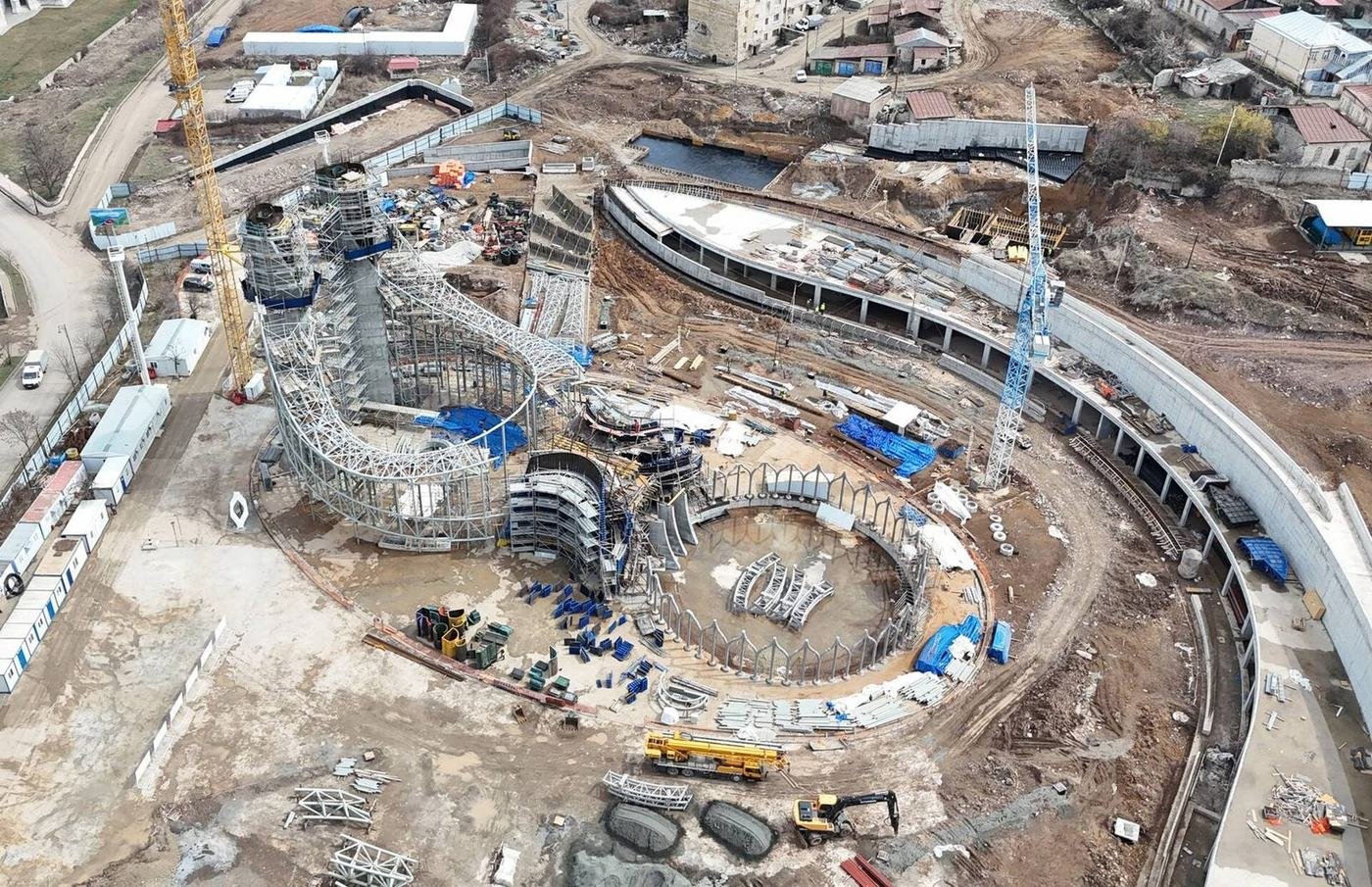 After 2020
Return
Karabakh is coming back
After the 44-day war of 2020 and the events that followed, Karabakh returned under Azerbaijani control. Shusha was declared the country’s cultural capital.
The “Great Return” programme began: demining, new roads and airports, the rebuilding of towns and villages to which people who left them decades ago are coming home.
The soul of Karabakh
A culture that outlived everything
Mugham
A classical improvised music, the soul of Karabakh. Shusha gave Azerbaijan a galaxy of great performers.
Karabakh carpets
A distinctive school of carpet weaving with recognisable patterns — part of the region’s cultural code.
The Karabakh horse
An ancient breed of golden horses, the pride and symbol of Karabakh.
Kharybulbul
A rare flower of Shusha that became the emblem of all Karabakh and of its return.
Poetry
Vagif, Natavan and other poets of Karabakh wrote the region into the golden fund of Azerbaijani literature.
Shusha
The fortress city and cradle of this culture — today the cultural capital of Azerbaijan.
Sections
Explore further
Questions & answers