Black garden
From plains to peaks
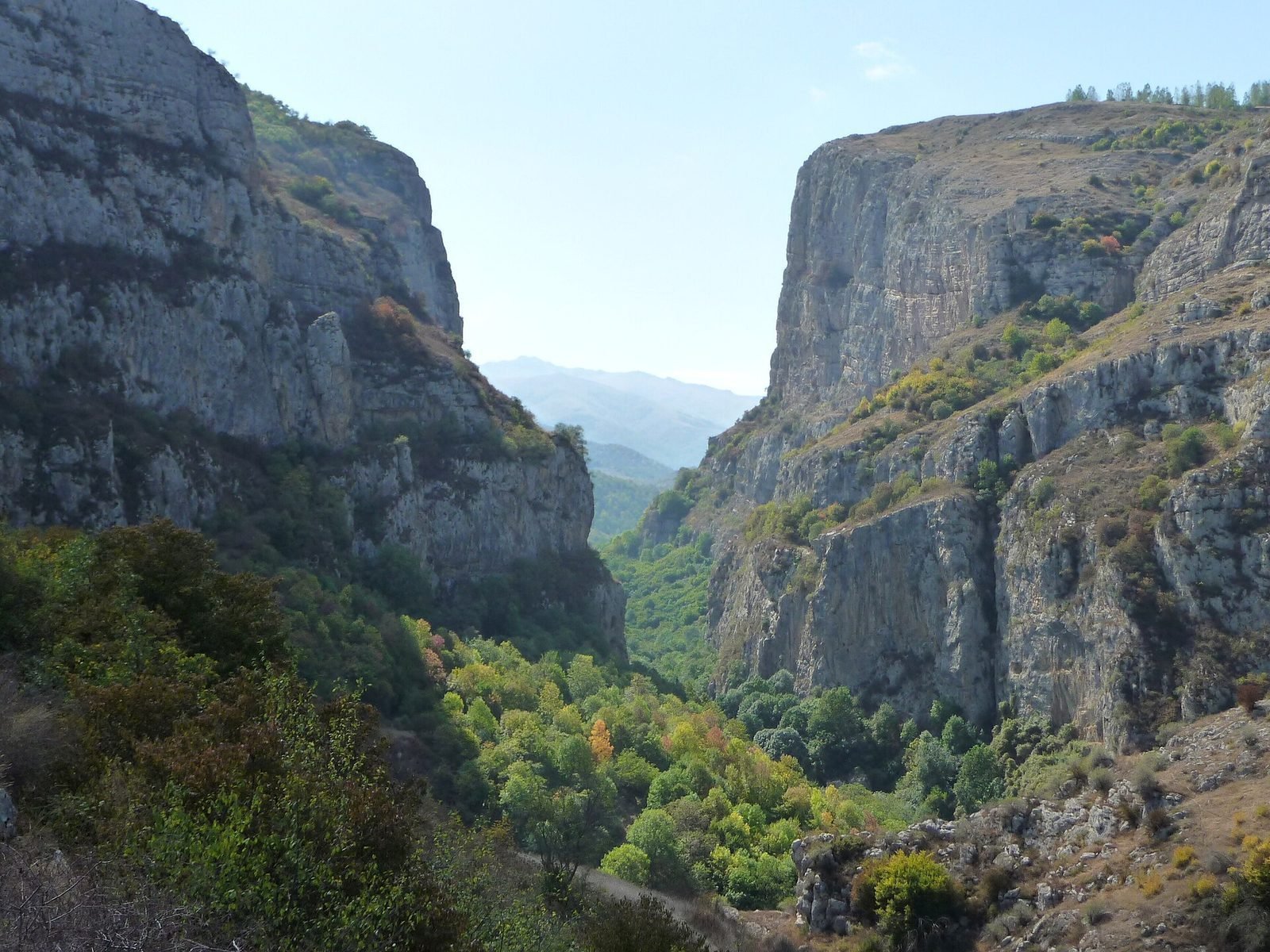
Karabakh lies between the Kura-Aras lowland and the ridges of the Lesser Caucasus. To the east are fertile plains; to the west the land rises through wooded slopes to peaks that give way to alpine meadows. This range creates a rare diversity of nature.
The name “Karabakh” — “black garden” — was born of these dense forests and shaded valleys. Oak, hornbeam and beech cover the slopes, and in spring the mountain meadows blaze with flowers.
Mountains
The ridges of the Lesser Caucasus, with peaks above three thousand metres, form the western, mountainous part of the region.
Forests
Broadleaf forests of oak, hornbeam and beech gave Karabakh its name — “black garden”.
Rivers and canyons
The Karkar, Hakari and other rivers cut deep gorges, such as the picturesque Hunot canyon.
Jidir Plain
The “field of races” — the famous plateau above Shusha with mountain views, a place of festivals and horse contests.
Kharybulbul
A rare flower that grows around Shusha — the natural symbol of Karabakh.
Springs
The mineral waters of Karabakh, including the famous “Turshsu”, have long been prized for their healing properties.
 Jidir Plain
Heart of the region
The plateau above the city
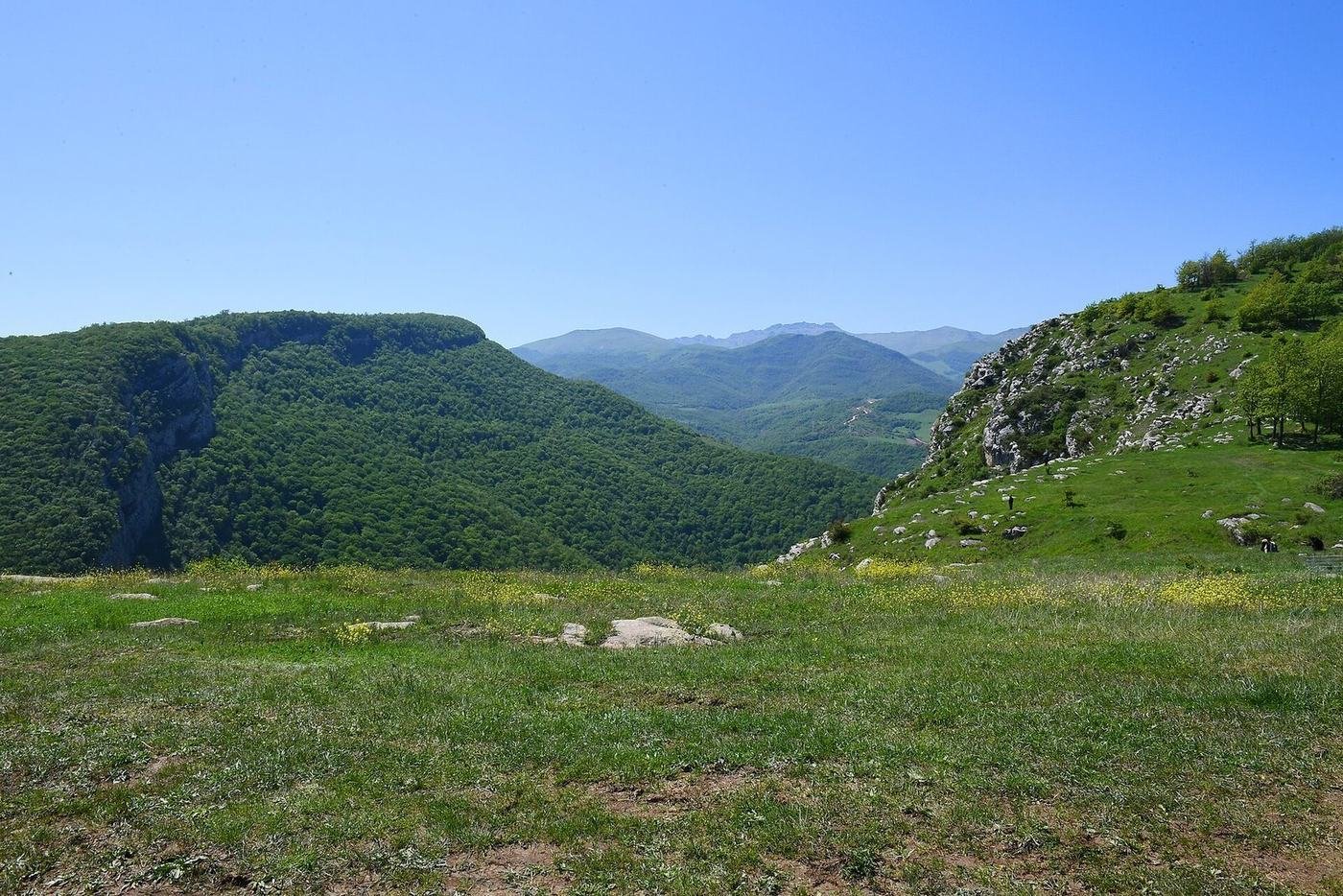
Above Shusha stretches the Jidir Plain — the “field of races”. It opens onto views of Karabakh’s gorges and mountains, and the plain itself served for centuries as a place of festivities and horse contests.
Today festivals and the “Kharybulbul” festival are held again on the Jidir Plain — a symbol of life returning to Karabakh.